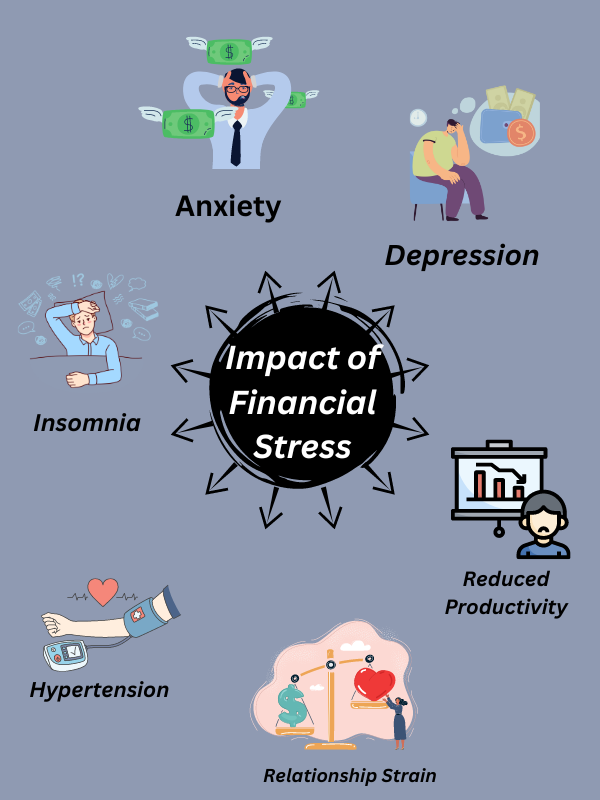

Debt is a common part of modern life, but it can become overwhelming if not managed properly. Whether it’s credit card debt, student loans, or personal loans, the pressure of owing money can lead to anxiety and panic. However, managing debt doesn’t have to be a stressful ordeal. With the right strategies, you can regain control of your finances and work toward a debt-free future. This article will guide you through practical steps to manage debt without panic, focusing on budgeting, prioritization, and proactive communication.
1. Acknowledge and Assess Your Debt
The first step in managing debt effectively is to fully understand what you owe. Make a comprehensive list of all your debts, including the creditor, total balance, interest rate, and minimum monthly payment. Seeing your debt laid out clearly can be intimidating, but it is crucial for creating a realistic repayment plan. Assessing your debt allows you to identify high-interest loans and prioritize them for faster repayment, reducing overall interest costs.
2. Create a Realistic Budget
Budgeting is essential when managing debt without panic. Start by tracking your income and expenses for a month. Identify areas where you can cut back, such as dining out, subscriptions, or discretionary spending. Allocate a portion of your income toward debt repayment while ensuring that your essential living expenses are covered. A well-structured budget provides clarity, reduces stress, and allows you to make consistent progress toward paying off your debt.
3. Prioritize Your Debts Strategically
Not all debts are created equal. High-interest debts, such as credit card balances, should be tackled first, as they accumulate interest more quickly and cost more over time. There are two common strategies for debt repayment:
-
Debt Avalanche Method: Focus on paying off the highest-interest debt first while making minimum payments on others. This minimizes interest and accelerates repayment.
-
Debt Snowball Method: Pay off the smallest debts first to gain psychological momentum. The sense of accomplishment can motivate you to continue tackling larger debts.
Choose the method that suits your personality and financial situation best.
4. Negotiate with Creditors
Many people hesitate to contact creditors out of fear, but open communication can lead to relief. Creditors may offer reduced interest rates, flexible payment plans, or temporary deferment options. Explain your situation honestly and ask for assistance. Negotiating with creditors can lower your monthly obligations, reduce financial stress, and prevent penalties or collections.
5. Consider Professional Help
If your debt feels unmanageable, seeking professional advice can be highly beneficial. Credit counselors and financial advisors specialize in creating personalized debt management plans. They can help you consolidate debt, negotiate with creditors, and develop a strategy that aligns with your financial goals. Professional support can reduce anxiety and provide structure when handling complex debt situations.
6. Avoid Accumulating New Debt
While paying off existing debt, it’s crucial to avoid taking on additional financial obligations. Limit the use of credit cards, refrain from unnecessary loans, and focus on living within your means. Developing disciplined spending habits is key to preventing future debt crises.
7. Build an Emergency Fund
An emergency fund acts as a financial safety net, preventing unexpected expenses from derailing your debt repayment plan. Aim to save at least three to six months’ worth of essential living expenses. Even small, consistent contributions to an emergency fund can provide peace of mind and reduce panic when emergencies arise.
8. Maintain a Positive Mindset
Debt can be stressful, but panicking only worsens the situation. Practice mindfulness and stress management techniques such as meditation, exercise, or journaling. Celebrate small victories in your debt repayment journey to stay motivated. Maintaining a positive mindset encourages consistency and helps you stay focused on long-term financial goals.
9. Monitor Your Progress
Regularly review your debt repayment progress. Update your list of debts, track payments, and adjust your budget as needed. Monitoring your progress provides a sense of accomplishment and highlights areas for improvement. Being proactive helps you maintain control and prevents the feeling of helplessness that often accompanies debt.
10. Plan for the Future
Managing debt without panic is not only about immediate repayment but also about long-term financial health. Once your debts are under control, consider strategies for saving and investing. Building a solid financial foundation ensures that you can handle future expenses without falling into the cycle of debt again.
Managing debt doesn’t have to be a source of constant stress or panic. By assessing your debt, creating a realistic budget, prioritizing payments, communicating with creditors, and maintaining a positive mindset, you can take control of your finances and work toward financial stability. Remember, every small step toward repayment counts. With patience, discipline, and proactive planning, it’s possible to manage debt effectively and achieve a more secure financial future.
Source: Tagarindonesia.id